The Revision in Domestic Gas Pricing Will Reduce the PNG and CNG Cost by up to 10%
 Facebook
 Twitter
 LinkedIn
 WhatsApp
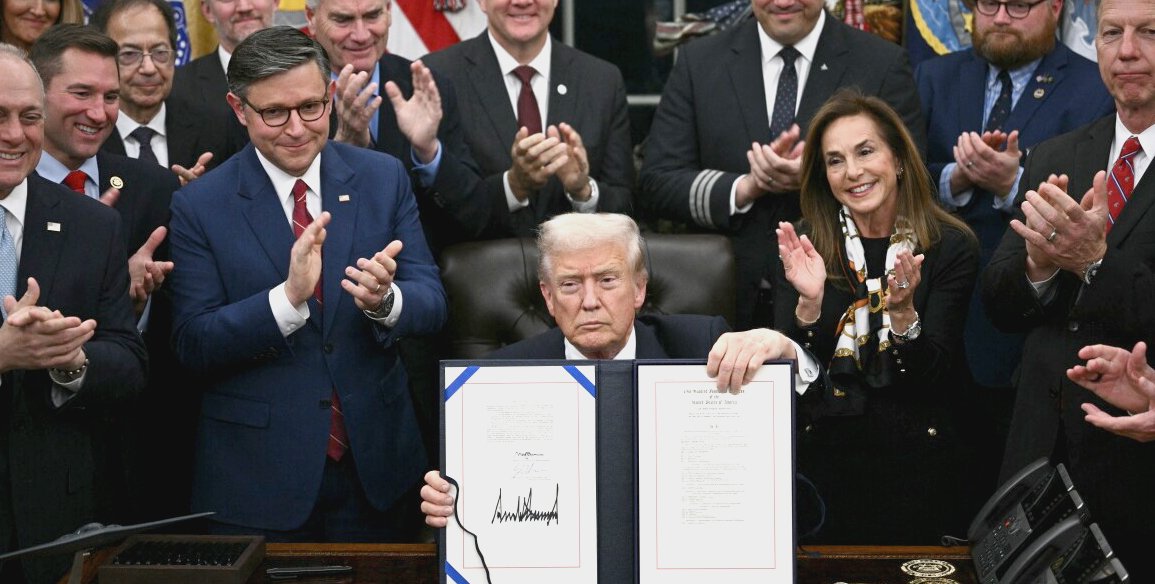
The Union Cabinet on Thursday established a cap or ceiling price that can help to lower prices of CNG and piped cooking gas (PNG) by up to 10%, one day after updating the domestic gas pricing rules. Consumers may feel some relief from the measure because prices for both PNG and CNG shot up by 80% in the past few months as a result of an abrupt increase in global markets.
Union Minister for Information and Broadcasting Anurag Thakur said in a press conference following the cabinet meeting and stated monthly notifications will be used to ensure steady pricing under the system and offer enough security to producers against unfavorable market turbulence in prices.
APM gas, also known as a legacy or old field gas, was previously priced according to the benchmark prices of gas in surplus countries like the US, Canada, and Russia. The Government has now chosen to tie the costs of APM to the cost of imported crude oil. APM will be charged 10% of the cost of an imported crude oil basket for India. The rate is however limited to $6.5 for every million BTUs, with a floor price of $4 per mmBtu.
As the price of the Indian crude oil basket is currently $85 per barrel, the ceiling is assisting in lowering costs from $8.5 (10% of crude oil) to $6.5, which will result in a general decrease in the cost of domestic PNG and CNG. The minister also stated that these floor and cap prices will increase by $0.25 per mmBtu annually after two years of stability.
The new pricing scheme will go into effect on Saturday, April 8; as a result, the cost of CNG is anticipated to drop from 79.56 to 73.59 rupees per kilogram in Delhi to 79.9 rupees per kilogram in Mumbai. With the implementation of the new indexation method, it is also anticipated that the prices of Piped Natural Gas (PNG) will decline. In Delhi, this reduction is anticipated to be from 53.59 to 47.59 per thousand cubic meters, while in Mumbai, users will now pay 49 instead of 54 per scm.
A committee led by Kirit Parikh was established by the government last year to investigate petrol costs and come up with a pricing scheme that takes into account the needs of both producers and local consumers. The goal of the government is to move towards a gas-based economy. Almost two-thirds of the nation's total gas production comes from legacy or old fields, which the committee suggested setting a price range for.
These fields are now subject to the administered price system (APM). The price scheme for difficult fields was not altered, though. These "legacy" or "old" fields will continue to be governed by the APM until 2027 when complete price deregulation will take effect.