
Sustainable Irrigation: How India Is Adopting Water-Smart Farming Practices
 Facebook
 Twitter
 LinkedIn
 WhatsApp
Our lives rely on water, and in India, where farming supports millions of families and feeds the country, the use of water in agriculture is more important than ever. Faced with climate change, diminishing groundwater levels, and unpredictable monsoons, Indian farmers and officials are implementing sustainable farming strategies to conserve water while improving productivity.
From traditional canals to smart farming equipment such as drip irrigation and sensors, India's agriculture is evolving - not just to work harder, but also smarter. This transition is part of greater shifts in the Indian agriculture sector, reflecting broader Agritech trends in India that are altering the future of farming.
Why Water-Smart Farming Matters in India
India’s farmers rely heavily on irrigation. Traditionally, flood irrigation (flooding fields from canals or wells) was the norm. However, this wastes a lot of water and puts further strain on already limited water supplies. Sustainable irrigation techniques contribute to:
-
Use less water per hectare.
- Provide water only where and when crops require it.
-
Increase soil moisture without wasting water.
-
Protect both groundwater and surface water sources.
In certain areas, groundwater shortage is so severe that people are changing their farming techniques just to survive, emphasising the significance of water-smart activities.
Drip and Sprinkler Irrigation: The Backbone of Water-Smart Farming
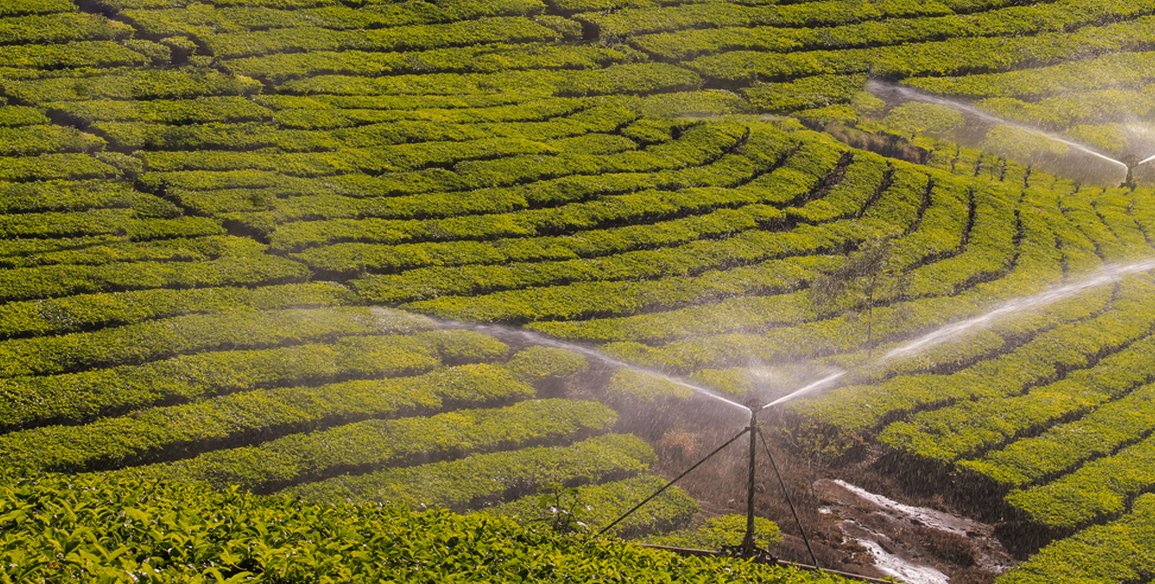
Two of the most widespread sustainable irrigation systems in India are drip and sprinkler irrigation. These technologies deliver water directly to plants’ roots or spray it evenly across fields — not everywhere at once. That cuts water waste dramatically.
Farmers in states such as Uttar Pradesh have quickly adopted these techniques. Between 2020-21 and 2024-25, the area under drip and sprinkler systems expanded from approximately 1,730 hectares to more than 18,000 hectares in some regions, while statewide coverage increased as well. These methods can save 40-80% of water and increase profits by up to 45% over traditional methods.
This level of efficiency makes a significant impact on the Indian agriculture industry, allowing farms to grow more with less water.
Smart Irrigation and IoT: Data-Driven Water Use
The most recent Agritech trends India reveal that irrigation is no longer only mechanical; it is digital. Smart irrigation combines IoT sensors, soil moisture meters, and cloud technologies to determine when to water.
For example:
-
IoT sensors check soil moisture in real time
-
Data goes to apps or cloud dashboards
-
Farmers get alerts or automated watering schedules
-
Water is applied only when necessary
This data-driven approach can maintain crop health while reducing water use even further, frequently by 20–30%. India's smart irrigation market was estimated to be worth over USD 146 million in 2024, and at a pace of about 15% annually, it is projected to grow to over USD 500 million by 2033, indicating substantial adoption potential.
This tendency aligns perfectly with precision irrigation and smart agricultural technology, which both assist farmers in making prudent, not wasteful, use of inputs.
Government Incentives Push Sustainable Farming India Forward
Change is driven not only by technology, but also by policy and support. The Indian government has centred its strategy on programs such as the Pradhan Mantri Krishi Sinchayee Yojana and Per Drop More Crop. These programs provide financial assistance to farmers who install drip and sprinkler systems, making sustainable irrigation more inexpensive and widespread.
There are also exciting state-level initiatives like solar-powered irrigation projects that cut energy costs and expand water access year-round — perfect for remote or tribal areas.
On-Farm Examples: Farmers Adopting Water-Smart Practices
Across India, farmers are embracing water-smart farming in diverse ways:
- Drip irrigation in dry regions — delivering water directly to roots, cutting waste.
- Solar lift irrigation projects — use renewable power to bring water to fields without costly fuels.
- Soil moisture sensors — helping farmers water only when soil needs it, reducing unnecessary irrigation and saving labor.
Some communities even adopt innovative technologies, such as Bhungroo, which pools extra rainwater underground for dry season cultivation, transforming water surplus into water security.
What This Means for Agriculture Growth in India
All of these developments are part of a larger picture.India's agriculture business has long been affected because of water scarcity, climate issues, and low production in some regions. But now with help of water-smart farming these concerns can be easily eradicated through:
- Improving water efficiency
-
Reducing dependency on erratic rainfall
-
Increasing yields and farm income
-
Lowering costs for energy and fertilisers
Farmers utilise precise irrigation and sensor-driven scheduling to maximise every drop of water, enhancing their ability to withstand drought and climate challenges. This is a significant step towards making Indian agriculture more productive and sustainable.
Affordable and Inclusive — Reaching Small Farmers too
A major issue is whether smallholder farmers would benefit from new technology. While adoption varies, larger farms embrace drip and smart irrigation faster, while government incentives, community tools, and lower-cost IoT solutions make these advances more accessible to smaller farms.
Efforts to train farmers and bring digital advisory tools to mobile apps are also key parts of this shift, helping farmers make informed irrigation decisions with minimal cost.
Looking Ahead: The Future of Water-Smart Farming in India
The intersection of technology, government support, and farmer adoption is shaping strong Agritech trends India that favour sustainability. As climatic pressures rise and water scarcity becomes a reality, water-smart behaviours become mandatory rather than voluntary.
From drip irrigation expanding fields of crops to IoT sensors delivering precision that was once science fiction, India’s agriculture is evolving — and with it, the promise of a smarter, greener, and more resilient farming future.
