Emerging Technologies in E-commerce Shaping the Future — Know Them
 Facebook
 Twitter
 LinkedIn
 WhatsApp
For a decade now, E-commerce has made its place in people’s lives. Online shopping has become a daily chore. Every household has at least one person who can’t stop ordering things online. Why? Because it’s simple, easy, and hassle-free.
Notice how e-commerce sites that offer beauty products or ones that sell eyeglasses, offer a virtual way to try and know how the said product will look on you, that’s how much the technology has developed. Especially with AI, AR/VR, blockchain, and voice commerce.
How are emerging technologies in e-commerce shaping tomorrow?
If the sources are to be believed, in 2026, e-commerce sales are likely to surpass
$3.8 trillion, due to the continuous growth in online shopping. By 2030, it could reach $4.9 trillion. Brands must be aware of these trends to stay competitive in the market.
All these emerging technologies in ecommerce helps improve customer experience. Brands that use social media and live streams to attract shoppers have seen higher engagement and a boost in conversion rates. This also improves your decision-making ability.
There are available tools that allow brands to offer more personalisation, flexible payment options, and subscriptions, increasing the lifetime value of their brand.
Ecommerce business should think of trends circulating in the market and insights as well, especially when considering investing in new technology or changing the strategy.
Let’s have a look at the emerging technologies in e-commerce:
- AI (Artificial Intelligence)
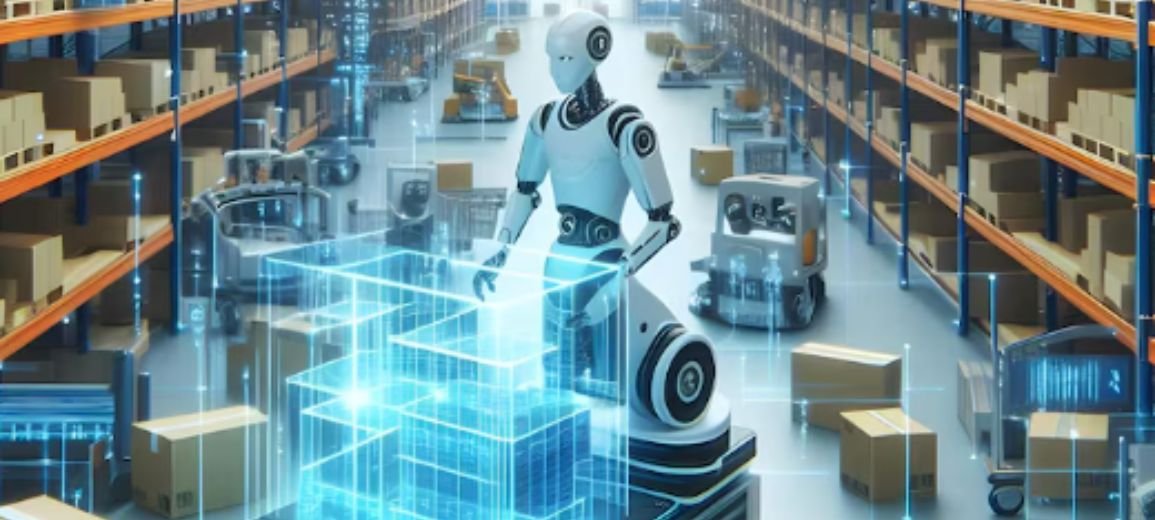
AI is a massive shift across the e-commerce landscape. A few years ago, AI looked like merely an innovative phase, but soon it has become a foundational element in modern business strategies. It helps firms with dynamic pricing, hyper-personalised recommendations (analysing browsing patterns, buying history, and real-time behaviour), and offers 24/7 support via chatbots.
Also, a significant change is happening in Agentic Commerce where independent AI agents serve as personal shoppers. You must have already noticed this happening with Amazon, where an AI chatbot asks your preferences, and based on that, delivers accurate options.
- AR & VR (Augmented Reality & Virtual Reality)
Augmented reality, as mentioned earlier, allows users to “virtually try on” products before purchasing them. From testing makeup products, to visualising how furniture or an electronic appliance will look in their homes. This gives customers more confidence in their purchases.
- Blockchain (For trust and transparency)
Blockchain is a game-changer for the e-commerce industry. Most likely assimilated with cryptocurrencies, it goes far beyond digital payments. It changes the way an online store operates by providing security and transparency across all business processes.
Blockchain acts like an immutable ledger, meaning that when a transaction occurs, it ensures it is decentralised (everyone has access to the same record of transactions), the transaction is transparent to all the participants, and once it is recorded, it cannot be changed or deleted, so remaining safe.
Beyond payments, it offers unchangeable supply chain tracking, better data security, automated start contracts, and decentralised, protected inventory management.
- Social Commerce and Live Streaming
Platforms like Instagram, Facebook, and TikTok are emerging as direct sales hubs. See how on every post, you see a show now button, and that comes with an in-app checkout as well. It’s making online shopping much easier. Their comment section is the best for reviews to identify the fraudulent.
They even livestream, blending entertainment and instant purchasing right there. This practice hikes their purchase rate by 30-40%. Voice Commerce (Alexa, Google Assistant) helps with hand-free shopping experience. By 2026, voice-assisted transactions will surpass $40 billion.
- Headless and Composable Commerce
Today's e-commerce is shifting from strict, "all-in-one" platforms to more flexible modular systems. It separates the front end (storefront) from the backend (commerce engine) and pushes updates across mobiles, IOT devices, and web without disrupting the system. More than 60% of retail companies planned to shift to these adaptable structures by 2024.
How Will This Shape the Future of E-Commerce?
E-commerce isn’t just growing—it’s getting smarter, more personal, and tightly woven with new tech. Shoppers want things fast, easy, and relevant to them. Technology steps in and delivers.
For businesses, jumping on these trends isn’t just a nice-to-have. It’s what keeps them in the game. If you want people to notice you, trust you, and keep coming back, you have to keep up.
As tech keeps pushing forward, e-commerce shifts too. It’s not just about buying and selling anymore. It’s about creating real experiences—ones that feel smooth, personal, and actually matter to people.
The Future of Online Shopping Is Being Built Right Now
New tech is turning e-commerce on its head. The way people find products, the way businesses run things behind the curtain—it’s all shifting. Artificial intelligence, machine learning, automation, augmented reality, blockchain—you name it. They’re making online shopping feel more personal, more secure, way more convenient.
Shoppers want their stuff faster. They expect recommendations that actually make sense, and they want everything to work smoothly, no matter what device they’re using. For e-commerce brands, these tools aren’t just nice to have anymore. You need them to keep up, earn trust, and keep pace with what customers want in this fast-moving digital world.