
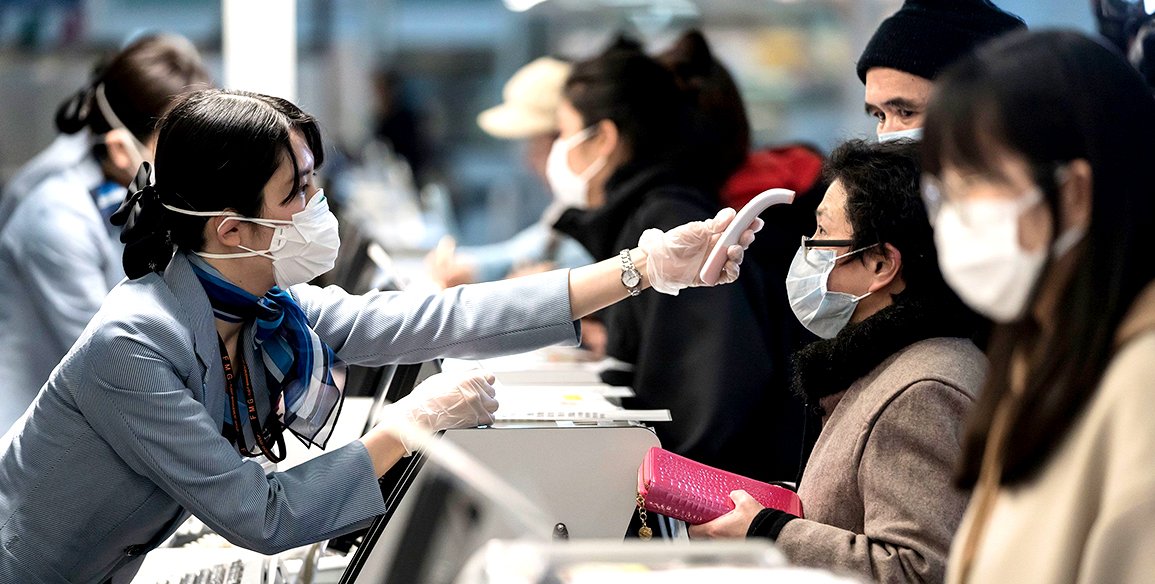
Asian Airports Reintroduce Health Screening Amid Nipah Scare After West Bengal Outbreak
 Facebook
 Twitter
 LinkedIn
 WhatsApp
Summary: Several international airports revive COVID-era checks as health authorities react to Nipah cases.
A recent outbreak of Nipah virus infections in West Bengal has prompted several Asian countries to reinstate health screening measures at key airports, triggering fresh memories of pandemic-era checks as travellers arrive from or pass through the region.
Nipah — a rare but often deadly virus transmitted from animals to humans and capable of human-to-human spread — has alarmed health officials after cases were confirmed in India’s eastern state. In response, airports in a handful of neighbouring countries have quietly resumed temperature screenings, health questionnaires and targeted passenger monitoring, similar to measures widely used during the height of COVID-19.
Among the airports reinstating these protocols are major international hubs in Singapore, Kuala Lumpur and Bangkok, according to health and aviation sources. These checks are aimed at detecting fever and other early symptoms in travellers arriving from South Asia, and in some instances extend to passengers transiting through affected regions.
What airport officials describe as careful checking comes without evidence of major spread beyond India's borders. Still, such steps show how fast health responses adapt once a virus reappears or emerges anew. There remains no restriction on movement across nations, stressing those in charge. Awareness matters now more than ever, especially regarding entry rules set by the countries where people plan to go.
Few know where it began - only that by 1998, cases emerged in Malaysia, marking the first signs of what would be named the Nipah virus. This pathogen attacks both lungs and the nervous system, triggering breathing complications along with swelling inside the skull. Because people may transmit it without showing illness at first, officials worldwide rank it among critical threats despite rare appearances. Outbreaks surface now and then across parts of South and Southeast Asia, quietly resurfacing every few years.
Though Nipah does not spread quickly via brief interactions, as seen with some viruses like SARS-CoV-2, swift containment measures - such as tracking contacts and isolating infected individuals - have kept past flare-ups under control. Because clusters of illness now appear across several locations, nations closely connected by air routes to affected regions begin adjusting screening routines at entry points.
Fever, headache, and trouble breathing - these signs are now being shared door-to-door by local teams across impacted zones. Surveillance has grown sharper since national and regional health bodies stepped up efforts in West Bengal. To slow transmission, residents are repeatedly advised to avoid those who appear to be ill.
Health groups around the world, especially the WHO, urge travellers to follow basic safety steps, keep informed through official updates, and consult a doctor should illness occur post-trip. Though broad limits aren’t advised at this stage, officials watch developments carefully due to ongoing changes.
Right now, bringing back some airport health checks shows just how much public health responses still depend on sudden triggers rather than long-term planning. These measures, once rolled out widely during the coronavirus outbreak, reactivate fast when fresh risks appear.