India Suspends Indus Waters Treaty Following the Terrorist Attack in Kashmir
 Facebook
 Twitter
 LinkedIn
 WhatsApp
Summary: After a deadly terrorist attack in Pahalgam, Jammu and Kashmir, India suspended the Indus Waters Treaty (IWT) with Pakistan.
India announced the suspension of the Indus Waters Treaty (IWT) with Pakistan, a move prompted by a recent terrorist attack in Pahalgam, Jammu and Kashmir, which resulted in the deaths of 26 civilians. This is the first time since the establishment of the treaty in 1960 that India has taken such a step.
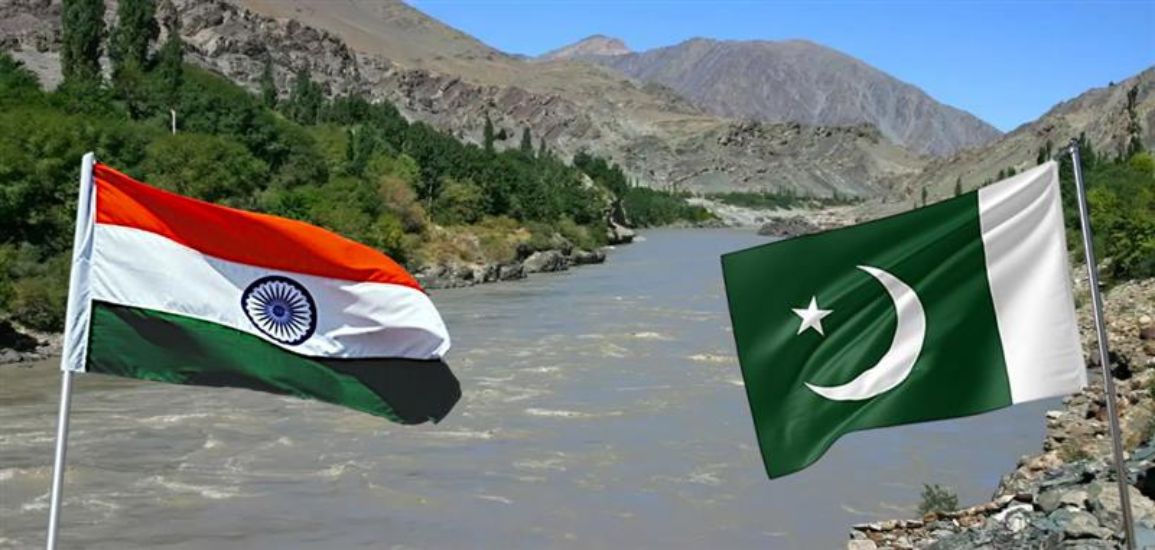
The IWT, brokered by the World Bank, governs the distribution of water from the Indus River system between India and Pakistan. The treaty gave India dominion over the eastern rivers, the Ravi, the Beas, and the Sutlej, while giving Pakistan rights over the western rivers, the Indus, Jhelum, and Chenab. The treaty has endured wars and military standoffs between the two countries, among other conflicts.
India suspended the treaty in light of accusations that Pakistan encourages cross-border terrorism, a claim that Islamabad rejects. India has halted the treaty, cut diplomatic personnel in Islamabad, closed the Attari-Wagah border crossing, and stopped issuing visas to Pakistani nationals.
The suspension of the IWT could have significant implications for Pakistan, which relies heavily on the Indus River system for agriculture, drinking water, and hydroelectric power. Approximately 80% of Pakistan's cultivated land depends on irrigation from these rivers. Potential measures by India include creating storage on the western rivers and withholding water flow data, actions that could adversely affect Pakistan's water security.
Pakistan may seek recourse through the World Bank, which serves as a mediator under the treaty's dispute resolution mechanism. However, as there is no official escape mechanism in the treaty, sudden cancellation is illegal. The current situation gets more complex by the requirement for mutual approval for any changes.
The international community is closely monitoring the developments, given the potential for increased tensions between the nuclear-armed neighbors. The suspension of the IWT represents a significant shift in India's strategic posture and underscores the escalating challenges in the region.