India?s Pralay a Ballistic Missile May Instill Fear in China Against Border Attack
 Facebook
 Twitter
 LinkedIn
 WhatsApp
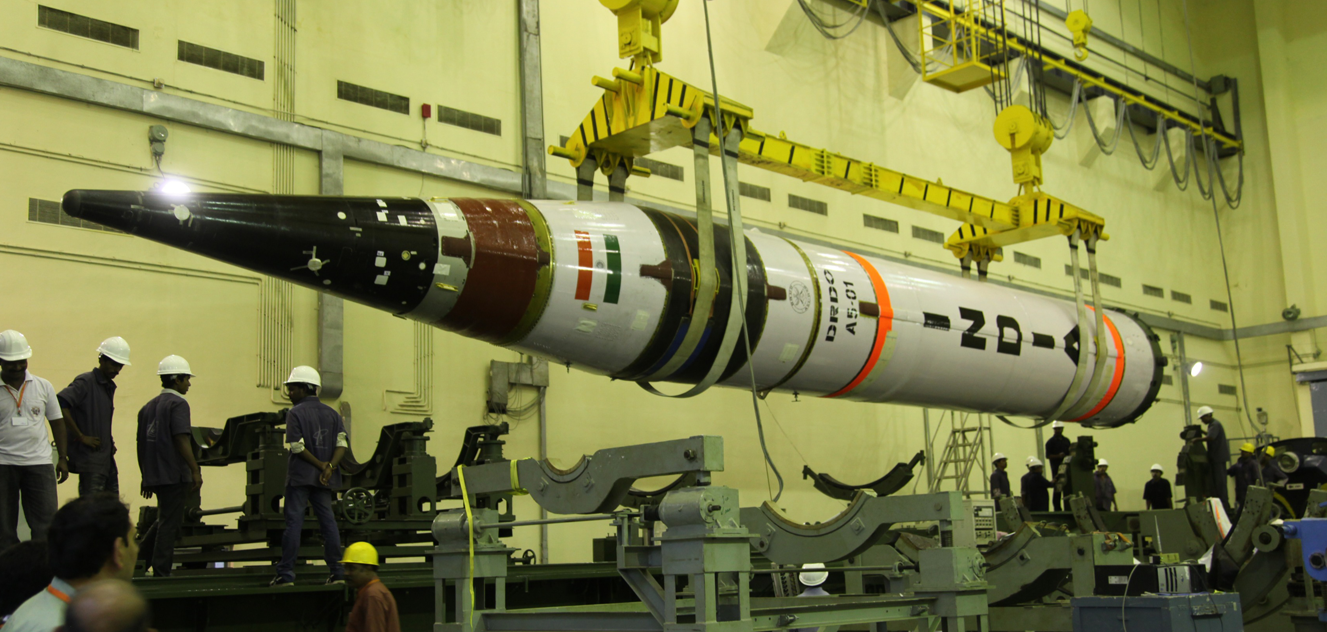
India took a step forward to revamp its rocket force with Pralay – a tactical ballistic missile, deadly enough to be compared with the Russian Iskander missile used in the current Ukraine war, and Dong Feng 12 of China, and with a wide range of 150-500 kilometers. With recent tensions at the border between India and China, the successful development of Pralay may perhaps deter China and Pakistan from relentlessly attacking Indian frontiers.
China President Xi Jinping and Pakistan Prime Minister Shehbaz Sharif may think twice before initiating a go-to war with India. Both nations, however, have tactical ballistic missiles themselves. But Pralay is no less potent because of the low trajectory and ability to maneuver in flight and is largely ballistic. It bears intelligent design to escape from the interceptor missiles.
Being a conventional weapon, the country is striving to build its defence strategy with short-range ballistic surface-to-surface missiles. For the armed force, Pralay is adept to aim at enemy positions in battlefield regions because of its key placement and installation. As a ballistic missile, Pralay can approach the target point at a high speed with upward arching, before descending on the point.
Derived by the late Chief of Defence Staff, General Bipin Rawat, BrahMos a supersonic cruise missile, and Pralay gave a boost to the country’s planned Rocket Force, and under the Strategic Forces Command. Sanctioned in 2015, Pralay is a counterpart of Prahaar missile program, first fired in 2011 for testing. The current project had elements from K-series of ballistic missiles launched from submarines as well as influenced by the ballistic defence shield program.
Pralay is highlighted for its accuracy, solid propellant rocket motor, and latest technology. It can carry around 350 kg to 700kg conventional warhead, which makes it viable for penetration-cum-blast, high explosive performed fragmentation warhead capacity and RDPs or runaway denial penetration submunition.