Odisha Train Accident: Weeks Before the Incident the Railway Board Had Cautioned to Undertake Proper Checks of Tracks
 Facebook
 Twitter
 LinkedIn
 WhatsApp
In April 2023, which was a few weeks preceding the train accident in Balasore district of Odisha, the Railway Board had instructed the zonal heads to tell their staff to not take any short-cut methods and referred the same to incidents where reconnection of signaling gears meted as unsafe because, after the maintenance work there were no proper checks. This information contained in the letter occurred about 2 months ago before the unfortunate event on 2 June evening.
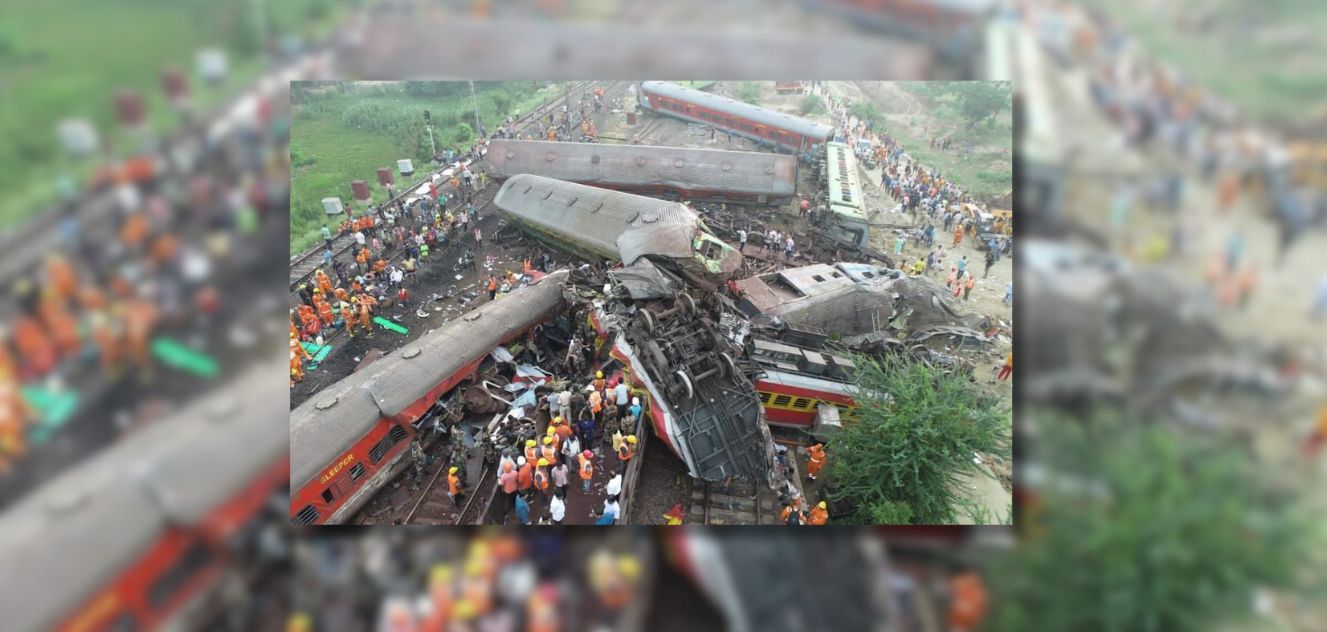
Three trains met with the worst railway accident one can imagine, leaving the nation remorseful about the tragedy. The trains involved were a goods train, Kolkata-Chennai Coromandel Express, and Bengaluru-Howrah Superfast Express. The accident injured 1,100 and killed 289 people. Currently, investigations are ongoing by the CRS (Commissioner of Railway Safety) and the CBI (Central Bureau of Investigation. The delinquent behavior of the railways was hugely criticized by the public.
Not only a letter but the Railway Board had specified the incidents as alarming and instructed the GMs (general managers) to go through these aspects in safety meetings every week at the headquarter and divisional levels. The board in writing had provided a letter on 3 April to all the zonal heads talking about five recent incidences at different Zonal Railways involving unsafe side points. The letter stressed that the staff did not test the points properly after reconnection of signaling gears.
Signaling and telecom (S&T) are responsible for the reconnections. But if the testing is not maintained after blocks of turnout/switch replacement, it risks attending signal failures, wrong wiring at the time of preparatory work, etc. And doing so may be hazardous to train operations and safety, because, in such scenarios, the trains are not supposed to run due to the dilution of codal and manual provisions.
The letter pronounced that even after informing the staff about such dangerous incidents with their potentially threatening consequences, and repeated instructions from the board, the signaling staff were utilizing short-cut methods with no improvements to check for the tracks and reconnected points and clear signals from the site only after appropriate coordination from the operating staff and going through the exchange of reconnection/disconnection memo.
The document stated that signal maintenance, joint works with engineering staff, and other repair work that needed disconnection as per the Indian Railway Signal Engineering Manual (IRSEM) reporting the duration and time of catering provisions as well as signaling gear testing on successful engineering works, especially in the case of any joint activities. Thus, only after proper testing of the reconnected gears, can the staff ascertain safe certification of the same.