Srilankan President on his 3-day visit to India, had “fruitful” discussions with Jaishankar.
 Facebook
 Twitter
 LinkedIn
 WhatsApp
Summary: Sri Lanka’s President Anura Kumara Dissanayake will meet Prime Minister Modi on Monday.
Anura Kumara Dissanayake is visiting India for the second time in ten months, this time as Sri Lanka's President on a three-day State visit.
The last time Dissanayake visited New Delhi, he led a National People's Power (NPP) team, and there was much talk about a swift change in Sri Lanka's political landscape and his becoming the next president of India's neighboring country.
After taking government in September, Dissanayake, a 55-year-old Marxist leader, decided to make his first international journey to India after defeating the traditional political parties controlled by the political class.
On Monday, Sri Lanka's President Anura Kumara Dissanayake will hold extensive talks with Prime Minister Narendra Modi. These conversations are likely to focus on strengthening economic relations and deepening cooperation on critical topics including security and stability in the region.
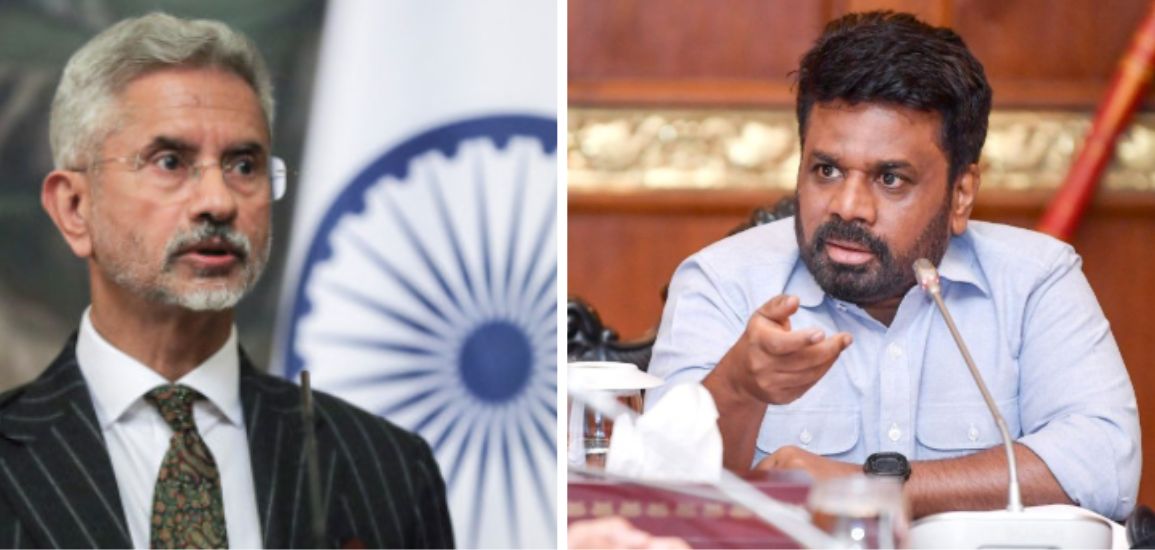
On Sunday, Dissanayake embarked on his first international journey since taking office, a three-day visit to India. On the first day of his visit, Disanayaka held "fruitful" conversations with India's External Affairs Minister S. Jaishankar and National Security Adviser (NSA) Ajit Doval, bringing in what is considered to be a significant diplomatic relationship between the two neighbors.
The goal of President Dissanayake's meetings with India's senior diplomats was to strengthen bilateral ties and increase strategic collaboration in sectors like energy, trade, investment, and maritime security. Addressing shared interests and strengthening the general alliance between India and Sri Lanka were other goals of the talks.
PM Modi and Dissanayake talks are to underline the necessity for Sri Lanka to meet the Tamil community's expectations, particularly the adoption of the 13th Amendment to the Sri Lankan Constitution. This amendment allows for the transfer of power to Tamil-majority regions, which has long been a source of dispute in Sri Lanka's post-civil war reconciliation efforts.