Trump’s 25% Iran Tariff Raises Concerns for India’s Trade
 Facebook
 Twitter
 LinkedIn
 WhatsApp
Summary: The US warns that nations trading with Iran will suffer a 25% tax, potentially harming India's business relations.
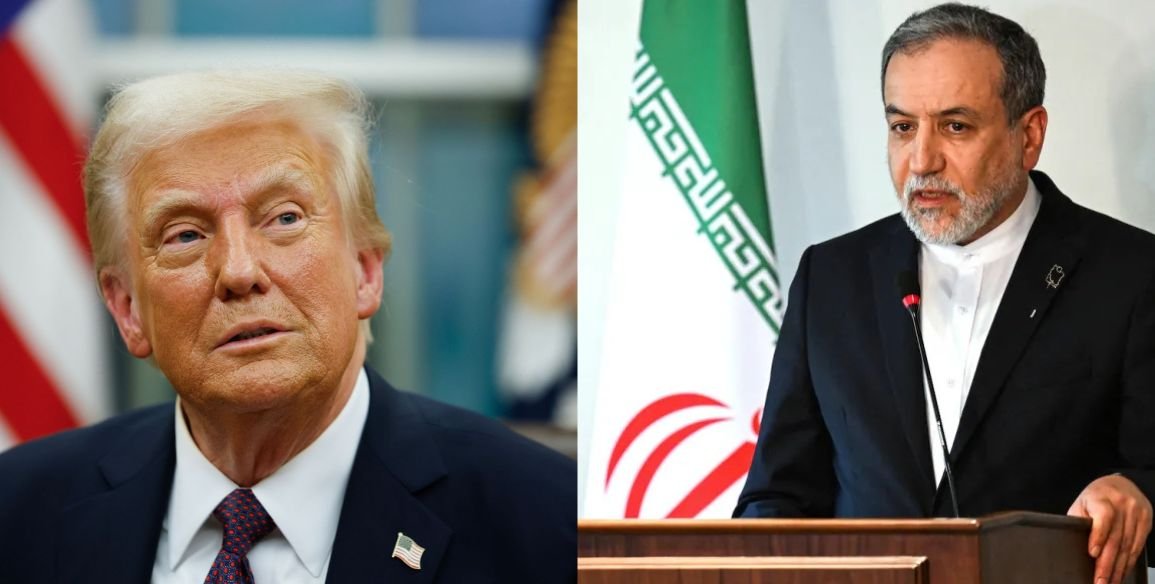
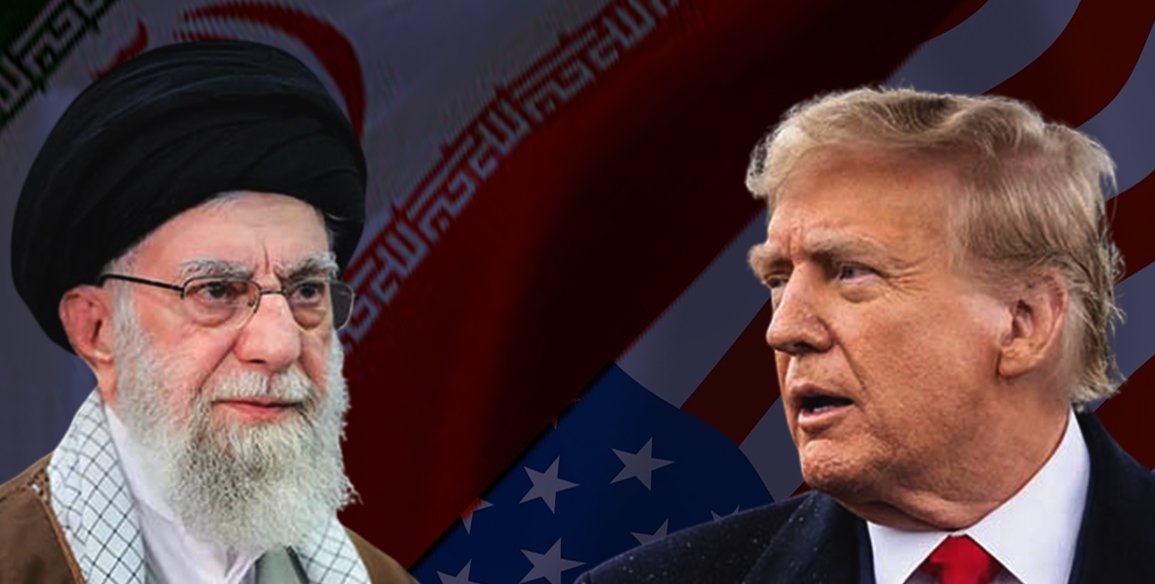
A sudden policy announcement from US President Donald Trump on Monday has drawn fresh attention to India’s trade outlook. Trump said that starting immediately, any country doing business with Iran will face a 25% tariff on their trade with the United States — a move aimed at increasing pressure on Tehran amid ongoing unrest.
Trump’s announcement came via social media and did not include formal legal documents or clear implementation details, leaving many governments and businesses trying to interpret what comes next.
India has longstanding economic links with Iran. New Delhi has been among Tehran’s top trade partners, with exchanges of energy products, chemicals, foodstuffs and other goods worth billions of dollars in recent years.
Because of those ties, experts say India could be directly affected by the new tariff policy — especially if the US decides to apply the 25% duty on countries that maintain commercial relations with Iran. That could add to existing trade frictions, including earlier US tariffs imposed on Indian exports for unrelated reasons.
Traders and economists are already watching the Indian rupee, which came under pressure as markets reacted to the news. Reports show the currency softened against the dollar after Trump’s announcement, reflecting uncertainty around India’s export prospects and global risk sentiment.
The Iran tariff adds another layer to an already complicated trade picture between India and the United States. In recent months, Washington and New Delhi have differed on taxes and market access, and various sectors in India have faced increased costs for US-bound goods.
For exporters from India, the impact can vary by industry. Smaller commodity and agricultural exporters may feel more immediate pressure, while large corporations with diversified markets might have more flexibility. Analysts say it’s still early to gauge the full economic toll without formal clarity on how the tariff will be enforced.
The Indian government has not publicly announced a detailed response, but will likely consult business groups and trading partners to assess the impact. Diplomats from New Delhi and Washington are expected to stay in touch as both sides seek clarity on trade policy and tariff rules.
As markets digest the announcement, they are also focused on how the United States intends to execute the levy, and whether exclusions or phased measures will be implemented. For now, Indian companies engaged with Iran and the US are preparing for a period of adjustment as the implications of this new tariff policy unfold.