U.S. Court Weighs Legality of Trump Immigrant Crackdown in Minneapolis Hearing
 Facebook
 Twitter
 LinkedIn
 WhatsApp
Summary: Federal judge hears arguments over DOJ rule aimed at tightening deportations and border enforcement
A federal court in Minnesota took up a high-stakes legal battle on Monday, hearing arguments over whether a major U.S. immigration policy introduced under President Donald Trump can stand or should be blocked.
The case centres on a Department of Justice rule issued in late 2025 that dramatically expanded the government’s power to detain and deport noncitizens. The rule allows immigration judges to deny bond in many cases, meaning people could remain in detention while fighting their immigration cases — a significant shift from long-standing legal practice.
At the hearing, lawyers for the U.S. government argued the rule is necessary to improve immigration enforcement and keep dangerous individuals from being released into communities. They said it falls squarely within the Department of Justice’s authority and reflects longstanding Congress-authorised powers to detain those the government considers threats or flight risks.
Opposing that view, civil rights groups and legal advocates told the court the rule goes far beyond what the law allows and strips immigrants of basic procedural protections. They said it would upend decades of immigration court practice, disproportionately harm asylum seekers and people with credible claims to remain in the U.S., and hamper judges’ ability to make fair bail decisions.
U.S. District Judge John Tunheim, who presided over the hearing, pressed both sides with questions about where the line should be drawn between legitimate enforcement tools and unfair restrictions on liberty. At times during the proceedings, he probed whether Congress had clearly authorised the broad restrictions the administration is seeking to impose. No immediate ruling was announced, and the judge indicated he would take time to consider the arguments before issuing a decision.
The legal challenge was filed by civil liberties groups, including the American Civil Liberties Union (ACLU) and immigrant advocacy organisations, citing constitutional and statutory concerns. These groups have already won temporary injunctions in lower courts blocking parts of the rule in other jurisdictions, but the Minnesota case could shape the national debate because of its reach and timing.
Supporters of the DOJ rule say it’s part of a broader effort by the current administration to tighten border security and immigration enforcement after years of political and legal gridlock over the issue. Opponents counter that the policy undermines due process and could lead to prolonged detention for people who pose little real threat but lack legal status.
The case adds to a string of immigration battles across U.S. courts as federal judges weigh challenges to executive actions taken in recent months. Whatever the Minnesota court’s eventual ruling, the issue is almost certain to be appealed, potentially moving up to a federal appeals court and even the Supreme Court.
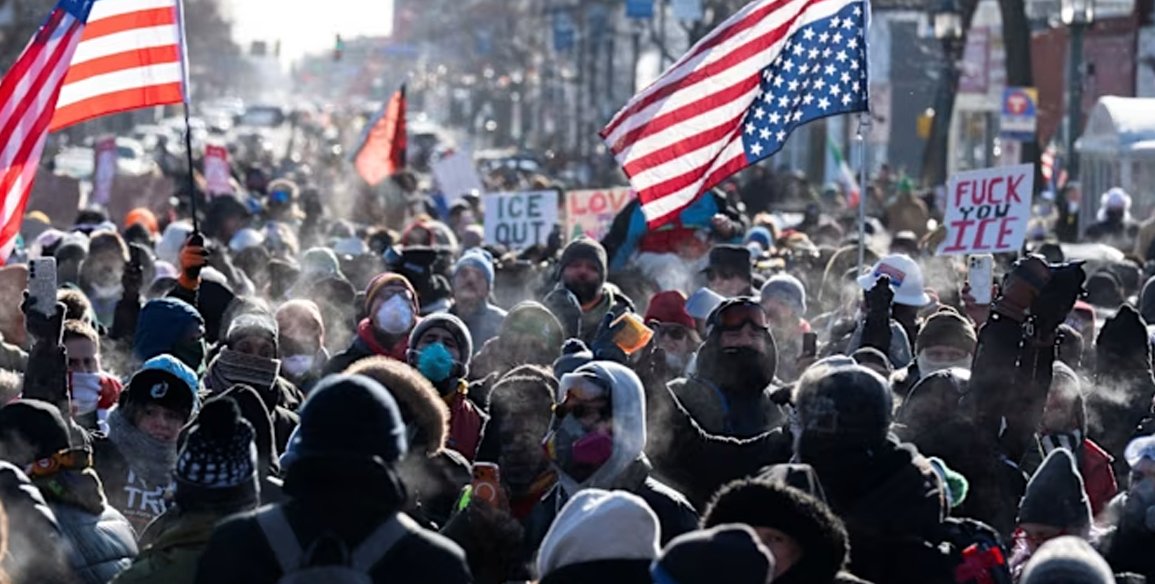
For now, immigrant communities, advocacy groups and federal authorities are watching closely — both for the legal outcome and for how this and similar cases could shape the future of U.S. immigration policy.