
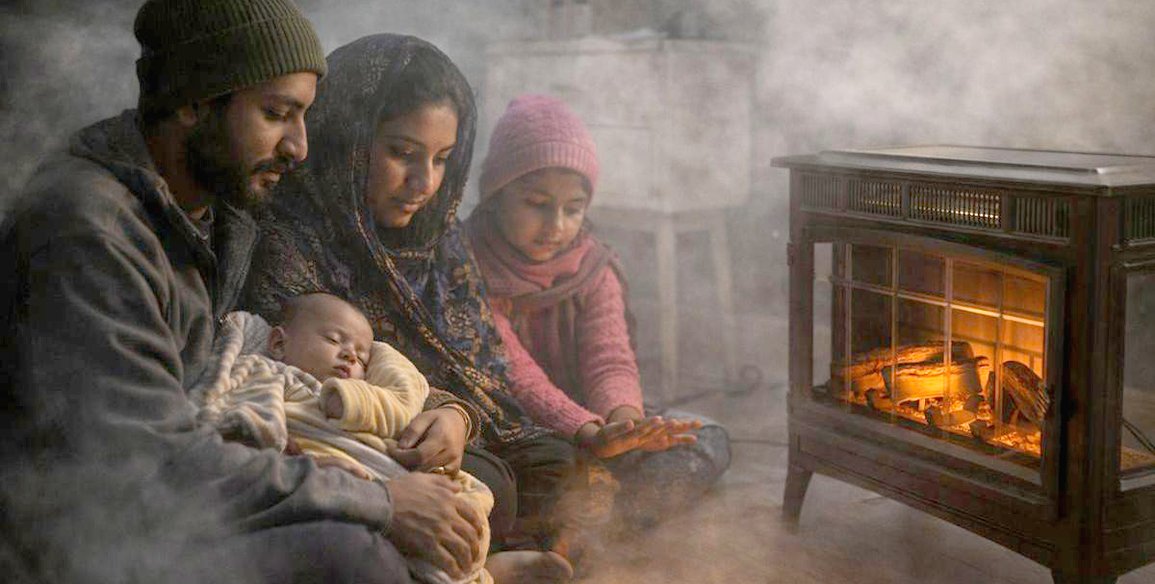
Winter’s “silent killer”: heaters linked to deadly indoor air problems across India
 Facebook
 Twitter
 LinkedIn
 WhatsApp
Summary: Heater-related carbon monoxide and air quality issues have been connected to mortality ranging from Delhi flats to Bihar villages.
As winter tightens its grip, a worrying pattern of indoor deaths linked to heaters and poor ventilation is emerging from cities and villages alike — from high-rises in Delhi to humble homes in Bihar. Doctors and local authorities are describing the problem as a “silent killer” because the danger often goes unnoticed until it’s too late.
Across northern India, cold nights push families to seek warmth inside. However, if heaters, particularly those powered by gas or coal, are used in poorly ventilated rooms, there is a high risk of carbon monoxide (CO) poisoning.
This odourless, colourless gas can quickly collect in enclosed spaces and replace oxygen in the circulation, quietly shutting down the body's critical processes. Symptoms such as headaches, dizziness, or nausea are often dismissed, making them difficult to detect until a serious injury has occurred.
In several recent cases reported by health officials, individuals were found unresponsive in their homes after using charcoal stoves, unflued gas heaters or burning fuel indoors without proper exhaust.
Similar incidents have cropped up in both urban apartments and rural settings, showing that the risk isn’t limited to a particular socioeconomic group — it’s tied to how heating devices are used (or misused) in confined spaces. Experts stress that CO doesn’t have a smell or taste, so people often aren’t aware they’re being exposed until they lose consciousness.
Doctors are urging households to be cautious and mindful about indoor heating. They recommend that any heater using fuel, gas, kerosene, coal, or charcoal should only be operated in well-ventilated areas, with windows or vents open to let fresh air circulate. Simple preventive steps like installing carbon monoxide detectors and avoiding sleeping in a room with an active unvented heater can make a critical difference.
Local health clinics have seen spikes in patients reporting dizziness, confusion or flu-like symptoms during cold spells — classic early signs of CO exposure. Clinicians say that many cases go unreported or undiagnosed because symptoms mimic ordinary cold or fatigue.
Public health officials also advise people not to block exhausts or vents with drapes, and to keep heaters in good working order. As winter progresses, these precautions could mean the difference between being warm and confronting a catastrophic health issue.
With deaths linked to heaters cropping up across diverse regions, the message from doctors and authorities is clear: warmth gives comfort, but without ventilation, it can come with deadly risks. Stay alert, ventilate spaces properly, and seek medical help early if symptoms appear.