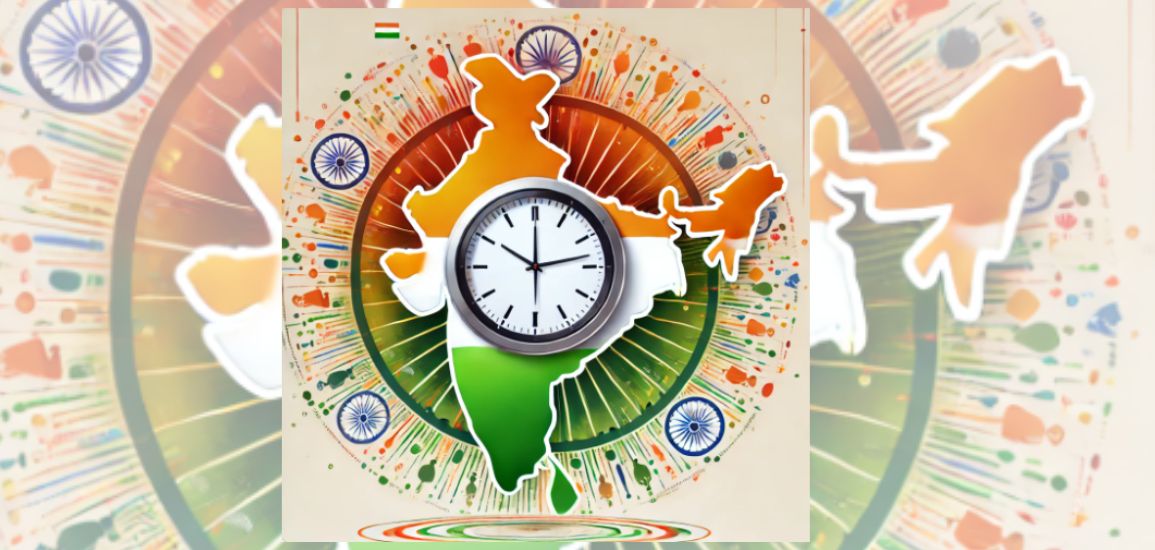
India to take on with “One Nation, One Time.
 Facebook
 Twitter
 LinkedIn
 WhatsApp
Summary: “One Nation, One Time”: Government Unveils the Initiative to Standardize Local Time.
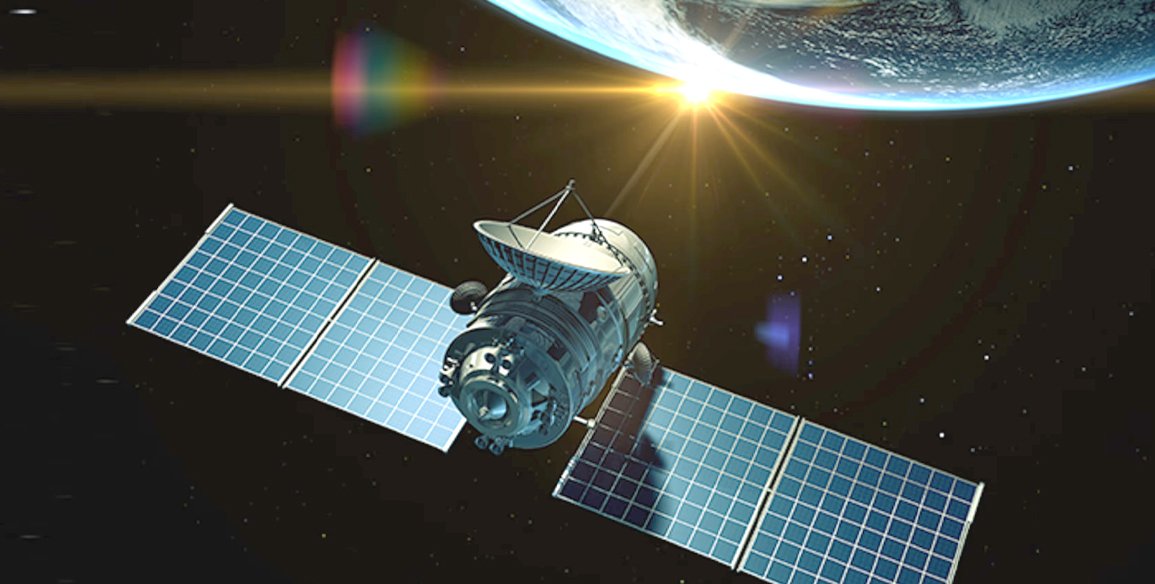
Even though the nation observes Indian Standard Time (IST), GPS satellites measure the precise time, down to the millisecond, and correlate it with Coordinated Universal Time (UTC).
With Navigation with Indian Constellation (NavIC) serving as the link to the National Physical Laboratory to supply the reference time, this is expected to alter in the coming months. NavIC will provide the time to a lab in Faridabad, which will then share it over an optical fiber link with four other centers—Ahmedabad, Bengaluru, Bhubaneswar, and Guwahati—each with an atomic clock.
The Department of Consumer Affairs has taken a major step to ensure accuracy and consistency in timekeeping throughout the nation. The goal of the January 15 public consultation of the Draft Legal Metrology (Indian Standard Time) Rules, 2025 is to standardize and require the usage of Indian Standard Time (IST) in all Indian sectors.
The Indian Space Research Organization (ISRO) and the National Physical Laboratory (NPL) are working to create this project, which aims to distribute IST with millisecond to microsecond accuracy.
Instead of service providers accessing data from many sources connected to GPS, the implementation of atomic clocks will guarantee that the time displayed on digital watches, cellphones, and computers is based on the atomic clocks. "One nation, one time" will soon be achieved when the regional centers distribute the time to all end users.
An atomic clock uses unique atom resonance frequencies to operate and is known for its remarkable accuracy. The atomic clocks will lose one second every 100 million years or so, which explains their extremely high levels of precision.
It would create India's own accurate and dependable time distribution network, cutting down on other systems and boosting national security, according to Rohit Kumar Singh.
He said, "It will benefit critical sectors like power grids, telecommunications, banking, defense, and transportation by ensuring synchronized operations, efficiency, and resilience against cyber threats."
The consumer affairs department has announced the draft rules, which require IST to be used as the exclusive time reference for legal, administrative, commercial, and official documents nationwide, while technical work is still ongoing.
Specialized fields like astronomy, navigation, and scientific research will be exempt if the government gives its prior clearance. Violations will result in penalties.
Names of legal authorities