
Sheikh Hasina sentenced to death: India treads carefully amid Dhaka’s extradition demand
 Facebook
 Twitter
 LinkedIn
 WhatsApp
Summary: India responds cautiously to Hasina’s death sentence, balancing diplomatic ties with Dhaka while Bangladesh presses for her return.
Bangladesh's political situation has changed dramatically. A special tribunal has convicted former Prime Minister Sheikh Hasina to death for "crimes against humanity." The ruling has sent shockwaves across the region, putting India in a difficult situation.
New Delhi didn’t come out with a strong reaction. Instead, India said it has “noted the verdict” and emphasized that it wants peace and stability for the people of Bangladesh. Basically, India is choosing its words very carefully, especially because Hasina has been living in India since last year.
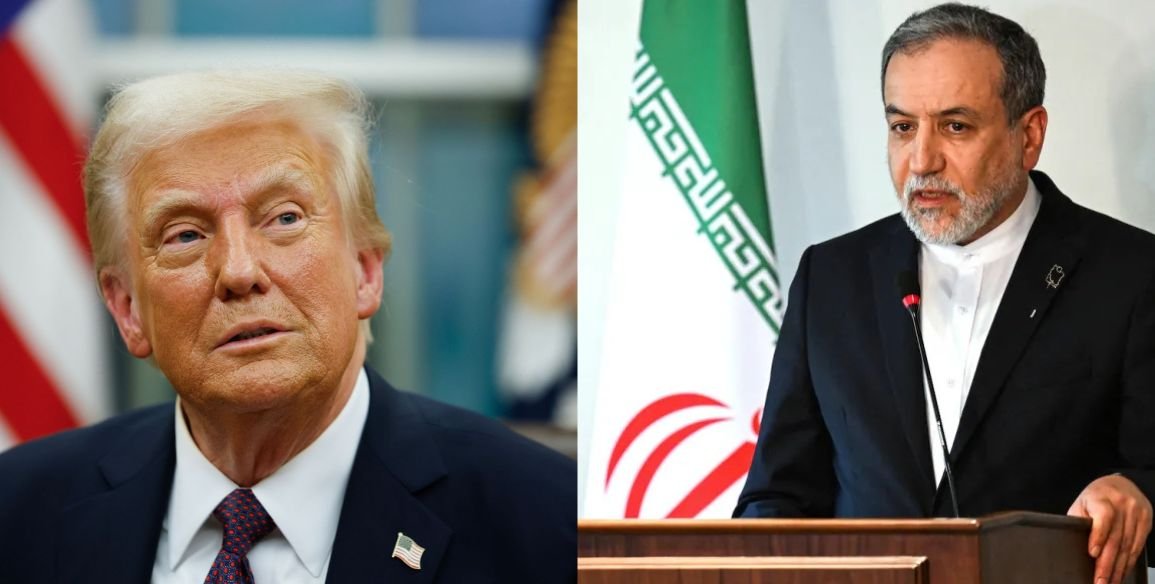
Bangladesh’s interim government, however, wants her back immediately. They’ve reminded India that the two countries have an extradition treaty, and they’ve hinted that keeping Hasina in India would be seen as an unfriendly move.
Hasina, on her part, has rejected the verdict completely. From her residence in New Delhi, she called the trial “rigged” and politically motivated, saying she never had a fair chance to defend herself.
In India, leaders like Shashi Tharoor have raised concerns too. He said he doesn’t support the death penalty at all — for anyone — and also questioned the fairness of trying someone in absentia.
Now the big question is what happens next. Bangladesh is pressuring India to hand Hasina over, but doing that could damage ties with the Awami League supporters and complicate regional politics. Not handing her over might strain relations with the current Bangladeshi government.